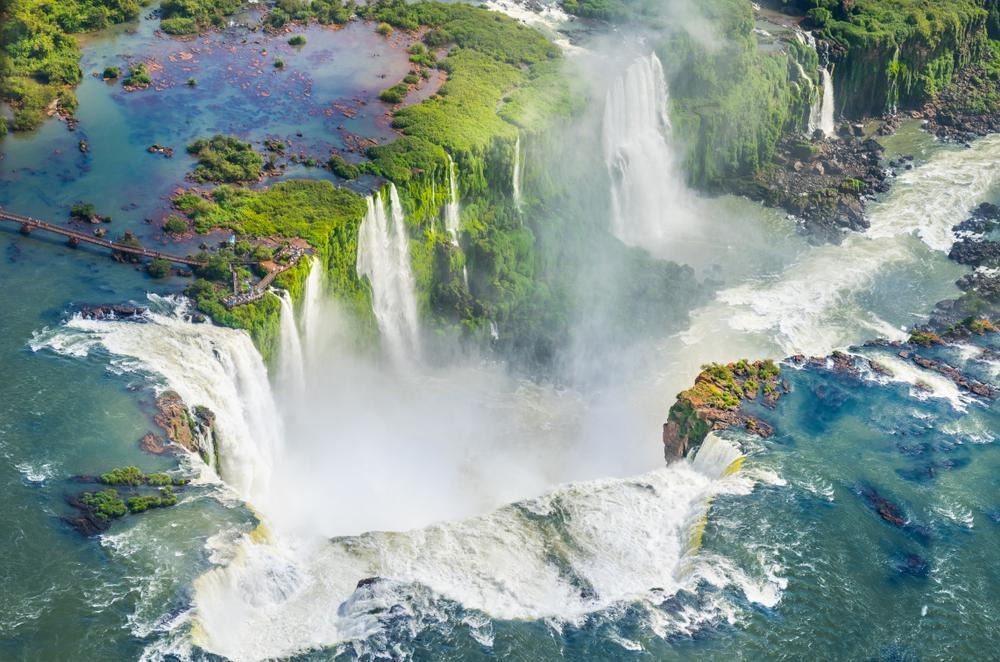
The short answer: two days is the sweet spot at Iguazú Falls — one day for each side. You can see the highlights in a single rushed day, and three days lets you savor every adventure, but two days strikes the perfect balance of seeing it all without wearing yourself out. So how many days at Iguazú Falls do you really need? Here is the answer — and what to do with each one.
First, Understand the Two Sides
Iguazú straddles the border between Argentina and Brazil, and the two sides are completely different experiences — which is precisely why you need time for both:
- The Argentine side holds around 80% of the falls and is all about immersion. Walkways and a jungle train carry you right to the edge of the Devil’s Throat, close enough to feel the spray. It’s the bigger, more active day.
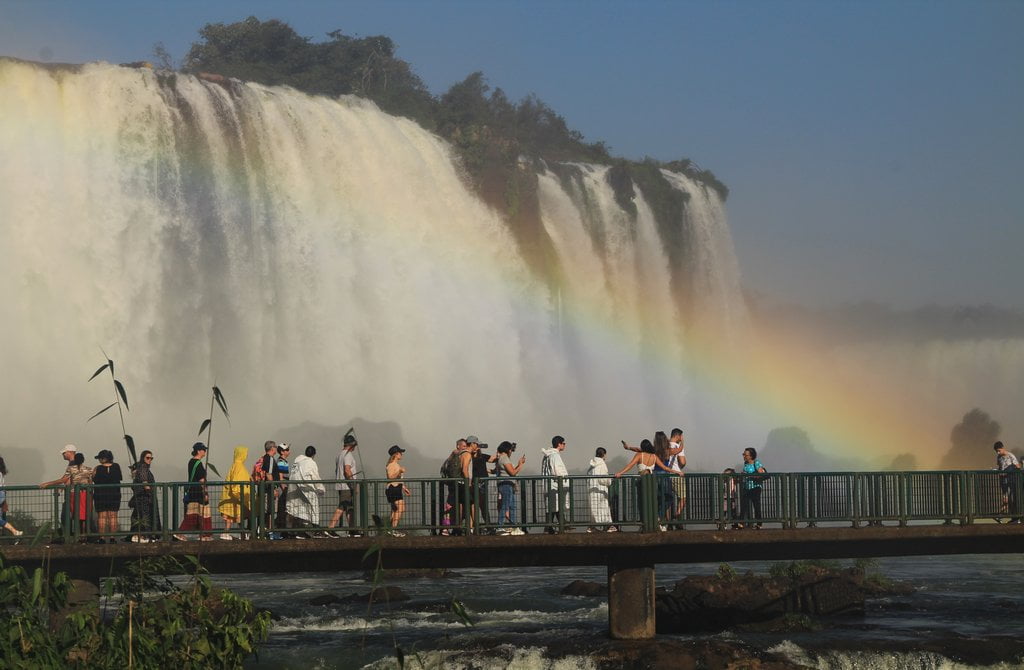
- The Brazilian side has about 20% of the falls but delivers the jaw-dropping panorama — the wide-angle postcard view of the whole system. It’s shorter, often a half-day, but unmissable.
The good news: the border crossing between the two is quick and easy, so combining them is simple.
1 Day at Iguazú: Is It Enough?
One day lets you experience the Argentine side — the lower and upper circuits and the Devil’s Throat — which alone is worth the trip. But it’s a full, fast day, and you’ll miss the Brazilian panorama entirely. One day works only if your schedule truly demands it; for most travelers, it leaves the falls feeling half-seen.
2 Days at Iguazú: The Sweet Spot
Two days is what we recommend to nearly everyone:
- Day 1 — Argentine side. Ride the ecological train to the Devil’s Throat, walk the upper and lower circuits, and feel the full power of the falls up close. Add the exhilarating boat ride beneath the cascades if you want to get gloriously soaked.
- Day 2 — Brazilian side. Cross the border for the sweeping panoramic views and the catwalk that ends right at the edge of the action — a perfect, slightly more relaxed finale.
This pairing gives you both faces of Iguazú without rushing, and it’s the backbone of most of our Iguazú packages.
3 Days at Iguazú: For the Full Experience
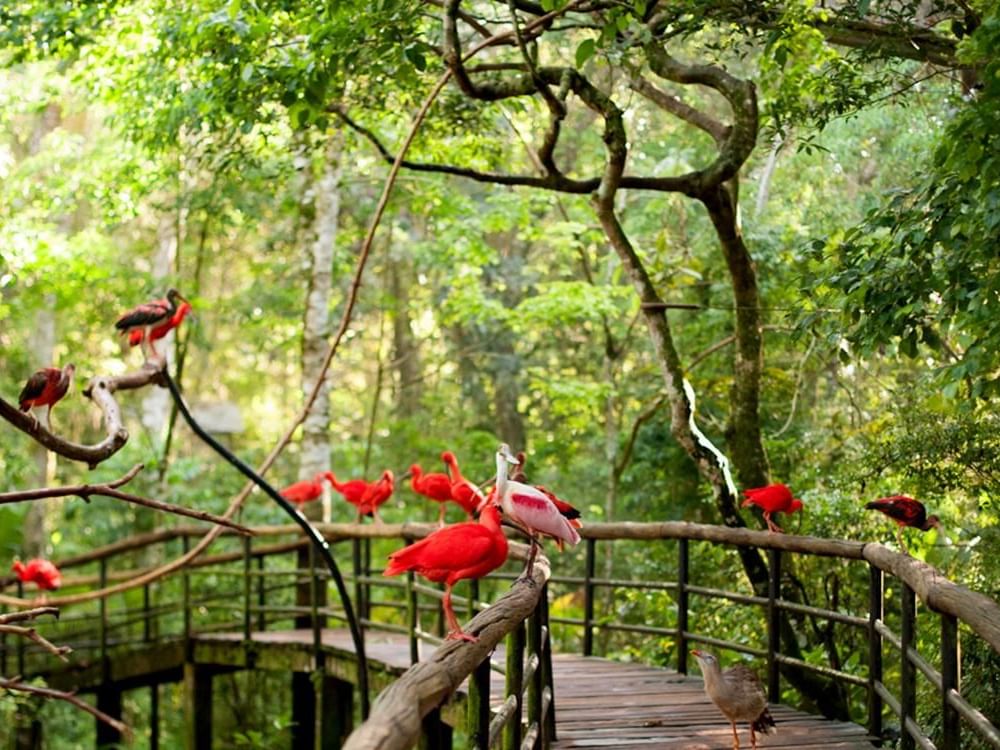
With a third day you can slow down and go deeper: a sunrise visit to beat the crowds at the Devil’s Throat, the Gran Aventura boat adventure, the Bird Park (Parque das Aves) on the Brazilian side, or a side trip to the Itaipú Dam. Three days is ideal for families, photographers, and anyone who wants Iguazú to breathe rather than rush.
When to Go
Iguazú is a year-round destination in a subtropical climate. The falls are at their most powerful during the summer rains (December–March), while the cooler, drier months (roughly April–September) bring the most comfortable walking weather. Whatever the season, plan for heat, humidity, and getting wet.
Make the Most of Every Day
The difference between a good Iguazú trip and a great one is in the timing: arriving at the Devil’s Throat before the tour buses, crossing the border without losing half a day, and pacing the boat ride and circuits so nothing feels rushed. As an agency devoted entirely to Argentina, 01 Argentina Travel Agency offers the very finest tours — every package fully customizable, with your visits to both sides, the boat excursions, transfers, and timing handled so you experience more in the days you have.
Ready to plan your Iguazú trip? Contact our team and we’ll build a tailor-made package around the perfect number of days for you. (See also our Argentine side and Brazilian side tours.)
Frequently Asked Questions
How many days do you need at Iguazú Falls?
Two days is ideal — one for the Argentine side and one for the Brazilian side. One day is enough to see the Argentine side if you’re short on time, while three days lets you add the boat adventures, the Bird Park, and a more relaxed pace.
Is one day enough for Iguazú Falls?
One day is enough to experience the Argentine side (about 80% of the falls), but you’ll miss the panoramic Brazilian side. If you only have a day, focus on the Argentine circuits and the Devil’s Throat.
Should I visit both the Argentine and Brazilian sides?
Yes, if you can. The Argentine side immerses you in the falls up close, while the Brazilian side offers the panoramic overview. The border crossing is quick, making both easy to combine over two days.
What is the best time to visit Iguazú Falls?
Iguazú is enjoyable year-round. The falls are most powerful in the rainy summer months (December–March); the cooler, drier season (April–September) offers the most comfortable conditions for walking.